Love Letters to Myself
范成章 Cheng
2026-08-03 · 西洋/流行音樂
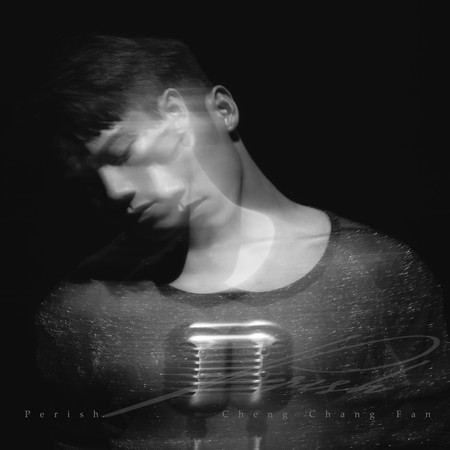
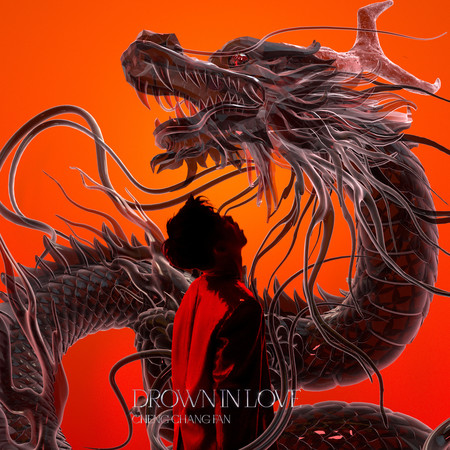
這張專輯是一面刻意被打碎的鏡子。當你試圖靠近,映入眼簾的並非完整的輪廓,而是被折射成無數質地的「自己」。 在首波主打歌〈Love Letter to Myself〉 中,成章凝視著河流中的倒影,將希臘神話中 Narcissus 的悲劇,重寫成一曲關於接納與自愛、最終水仙花開成當代自我覺醒的頌歌。 隨後,音樂氛圍卻在 〈whatever whenever〉 的冷靜與蔑視中陡然轉變,展現出掌控情感關係的絕對權力,那是人格中強勢且冷徹的一面。 記憶的濕氣則從 〈倫敦的愛情feat.藍又時〉 裡滲透出來,雨聲如旁白般低語,為那段無果卻純粹的曖昧時光作證。這種濕潤的感性在 〈Drowns in Love〉 中演變成了所有感官的溺斃,那是明知會窒息仍要毫不保留墜入的挑逗與渴求。然而,光影在最深處崩裂,〈Perish〉 將憂鬱的碎片放大成一座絢麗的廢墟,而凋零不是終結,而是蛻變的前奏;枯萎不是死亡,而是為了讓新生的嫩芽破土。在殘骸與灰燼之間,你開始懂得:你一直尋覓的,從來不是另一個靈魂的拯救,而是獨自在暗夜中點燃火種的勇氣,越是美得驚心動魄,越是刺眼得讓人無處躲藏;緊接而來的 〈Alone〉 則是一本在崩潰邊緣掙扎的手寫日記,成章直面了與憂鬱症的抗衡與自我的拉扯,在無數次修補與崩潰的循環中,試圖尋找一種能與傷口溫柔共處的平衡。 在痂痕尚未結實之前,〈One I’m Looking For〉 的吟唱宛如召喚命運的咒語,在茫茫人海的疏離感中,固執地相信著理解的可能。而那些無法帶走的人事物,最終被她收進了名為 〈紀念品〉 的抽屜——不去粉飾疼痛,也不必假裝從未發生,只是靜靜地與遺憾共存。最終,靈魂在 〈Ghoomar feat. Shruti Pathak〉 的旋轉中找到了出口,異國節奏與古老祝禱交疊,像是一場放逐自我的慶典。在眩暈的舞步與對未來的探詢中,那顆曾被囚禁的靈魂終於被解放,綻放未知的期待以及實質上真正多維的自由。 這不是一次對大眾的告白情歌專輯的輸出,而是九封寄往未知、最終折反而回的私密詠嘆調。成章在此交出的,並非經過拋光、符合審美的「人格」,而是一場多重自我的集體分裂。她將心靈日記裁切、揉碎,不加修飾地編織進音樂的旋律之中。這其中沒有標準答案,只有一個在詞曲間反覆陣痛、卻拒絕止痛的真實。 這是一場在碎裂中進行的、關於自我的永恆長敘:每一道裂痕都對應著一種聲線,每一塊碎片都折射出一種偏執。這讓「破碎」本身,不再僅是毀壞後的殘骸,而成為一種具有痛覺、迷人且無可取代的生命姿態。 This album is a deliberately shattered mirror. When you lean closer, what greets you is not a single, intact reflection, but countless refracted versions of the self—each with its own texture, its own truth. In the lead single “Love Letter to Myself,” Cheng Chang gazes into a river’s reflection, rewriting the Greek tragedy of Narcissus into a modern hymn of self-acceptance and self-love. Here, the myth no longer ends in demise; instead, the narcissus blooms into a symbol of contemporary self-awakening. The emotional landscape then shifts abruptly. “whatever whenever” enters with icy restraint and quiet contempt, asserting absolute control within emotional relationships. It reveals a dominant, unyielding facet of the psyche—cool, precise, and unapologetically distant. Moisture seeps into memory through “London Romance (feat. Lan You-Shih).” Rainfall whispers like a narrator, bearing witness to an unfulfilled yet pristine intimacy. This damp tenderness intensifies in “Drowns in Love,” where desire becomes total immersion—a willing suffocation, a temptation embraced despite knowing the cost. At the deepest point, light fractures. “Perish” magnifies fragments of melancholy into a radiant ruin, where decay is not an ending but a prelude to transformation. Withering is not death; it is the necessary pause before new shoots break through the soil. Among debris and ash, an understanding emerges: what you have been seeking was never salvation from another soul, but the courage to ignite your own fire in the dark. The more breathtaking the beauty, the more blinding it becomes—leaving nowhere to hide. “Alone” follows as a handwritten diary written on the brink of collapse. Cheng Chang confronts depression head-on, capturing the relentless push and pull with the self. Through cycles of repair and rupture, she searches for a fragile balance—one that allows her to coexist gently with her wounds. Before the scars have fully hardened, “One I’m Looking For” chants like a spell cast upon fate itself. Amid the alienation of the crowd, it clings stubbornly to the possibility of being understood. Those people and moments that cannot be carried forward are finally placed into a drawer called “Souvenir.” There is no attempt to romanticize the pain, nor to pretend it never happened—only a quiet decision to live alongside regret. In the end, the soul finds its exit through the spinning rhythms of “Ghoomar (feat. Shruti Pathak).” Foreign cadences intertwine with ancient blessings, forming a ritual of self-exile and celebration. Within the dizzying dance and the questioning of what lies ahead, the once-imprisoned soul is released—unfolding into anticipation, and into a freedom that is genuinely multidimensional. This is not a conventional love-letter album addressed to the masses, but nine intimate arias sent into the unknown, only to fold back upon the self. What Cheng Chang offers here is not a polished, aesthetically compliant “persona,” but a collective fracture of multiple selves. She slices, crumples, and weaves fragments of her inner diaries directly into melody—unfiltered and unsoftened. There are no definitive answers here, only a truth that repeatedly convulses within lyrics and harmonies, refusing the comfort of anesthesia. This album is an eternal self-narrative carried out through fragmentation. Each crack corresponds to a distinct voice; each shard reflects a particular obsession. In doing so, “brokenness” ceases to be mere aftermath. It becomes a way of being—sensate, seductive, and utterly irreplaceable.