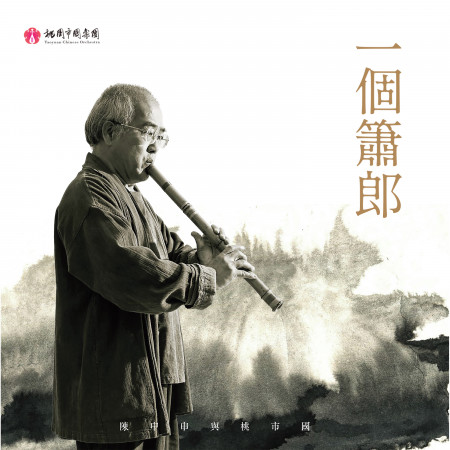
一個簫郎 A Xiaoist
桃園市國樂團
2019-12-31 · 演奏/心靈紓壓
臺灣品仔仙-陳中申,早在民國68年就通過當時最火紅的競賽節目-台灣電視公司的五燈獎,獲得五度五關的榮耀,而成為家喻戶曉的品仔仙。此外,並多次奪得金鼎獎、金曲獎最佳演奏、最佳作曲、最佳專輯獎,除了很會吹笛子,歕洞簫的名氣也是響遍全球。 40幾年來,他的創作走在傳統韻味的前沿,以多首既富含傳統韻味,又以高超技巧,突破洞簫音色限制的獨奏曲,將簫的樂器表現力推進到與笛子並列的地位,甚至是有過之而無不及,令人對洞簫的想像力也進入跨域的層次。洞簫是台灣本土樂器,受南管及日本尺八雙重影響,在民間流行廣泛。近十幾年來,台灣突破多重聲波共鳴原理,音色兼具渾厚及明亮、內涵豐富,音量增大3倍,發音靈敏,製簫技術執世界牛耳,目前幾乎所有世界知名的國樂團都是使用台灣做的洞簫。陳中申多年來累積的吹奏功力,名家配好簫,選好曲,同時引領著桃園市國樂團的豐沛演奏能量,讓您在《一個簫郎》演出中,領略絕妙音色,心神悠然,如蝶戀花,如醉花陰。 In 1979, Chen Zhong-Shen was laurelled the title for finishing all 5 levels of 5 stages in a famousTaiwanese TV show - Five Lights Award, which not only earned him a reputation but also a nickname -Taiwanese Bamboo Flute Deity. As an award-winning musician (Golden Tripod Awards and Golden Melody Awards for best performance, best composition and best Album), Chen is also a world-famous master in dong-xiao performance besides his skill to play bamboo flute. Over the past 40 years, his works featuring the mixture of traditional and modern style with superb skills expand the limitation of dong-xiao solos and push the its performance to another level paralleling with or even surpassing the flute in the expressive qualities which bring us a whole new feeling of encounter with the instrument. Dong-xiao, a traditional Taiwanese instrument which was inspired by Nanguan music and Japanese shakuhachi, is used extensively in folk music.For the last decade, by challenging the multiple sonic resonance principle, the powerful, rich and bright sound of dong-xiao with 3 times loudness and excellent sensitivities makes Taiwan a leading country in crafting the dong-xiao and the birthplace of most dong-xiao used in the world-class Chinese orchestra. Rich experience, outstanding performer, exquisite instrument and grand repertoire, in the "A Xiaoist" concert, Chen Zhong-Shen and Taoyuan Chinese Orchestra will bring you heavenly music and breezy enjoyment, just like a butterflychasing the flowers or being drunk under the shade of blossoms. 曲目解說The Story behind the Songs 《雨夜花開》 鄧雨賢 曲 陳中申 編曲 "Flower Blossoms in a Rainy Night" Music: Teng Yu-hsien/Arrangement: Chen Zhong-Shen 此曲改編自日治時期鄧雨賢所創作的《雨夜花》,原曲藉由花朵比喻受盡風霜的女子。而今次所演出的《雨夜花開》,編曲家運用了器樂化改編與變奏手法創作將《雨夜花》的故事意象轉向花落春在,化作春泥更護花的惜愛。 樂曲的編排充分的發揮了臺灣洞簫多變的音色及技巧,而作為伴奏的揚琴、中阮,則是強化了氣氛與表情,使全曲更具音調與色彩的變化。 "Flower Blossoms in a Rainy Night" is an adaptation of "Flowers in the Rainy Night" composed by Teng Yu-hsien during the Japanese colonial period.The original is a depiction of a woman suffering from real-life privations and hardships, while this version is a renditionof the fondnessin flowers and theimagerythat there is still a vivid springeven thoughthe flowers havealready fallen down.The arrangement maximizes the expressiveness and playability of dong-xiao, while the dulcimer and medium ruan, as the accompaniment, further enhance the aura and expression, making this work more full-toned and colorful. 《古韻相隨》 陳中申 曲 "Lingering Traditional Melody" Music: Chen Zhong-Shen 本首曲目為作曲家為慶祝恩師-馬水龍教授七十華誕而作。 因有感於其在音樂教育中重視傳統音樂的理念及用心,作曲家特別使用傳統南管中最主要的兩個樂器-洞簫及琵琶,譜寫出這首仿南管風格的《古韻相隨》二重奏。全曲分成三段: This song is composed in celebration of his mentor Professor Ma Shui-Long's Happy Seventieth Birthday.Inspired by Professor Ma's dedication to traditional music and its education, the composer especially appropriates two most important instruments in nanguan system - dong-xiao and pipa, the result is a duet named "Lingering Traditional Melody" in nanguan style. This song comprises three parts: (一) 慢板-以大多南管曲慣用的演奏手法(洞簫左手拇指的快速顫音)開場,語 法也是模仿其慢條斯理,三步一嗟、五步一嘆的風格寫成。 1. Adagio - As most of thenanguan music, this song begins with a common playing technique (rapid vibrato of left thumb on the dong-xiao), the slow speed is also imitating the nanguan music - a sigh within three steps, a moan within five steps. (二) 中板-選用了南管【起手板】的第一段,將原本緩慢的速度改成中板到小快板來演奏,在簡單的骨幹譜上自由加花,但仍盡量保持南管語法。節奏上則使用了傳統音樂少見的複合節奏(單拍子加複拍子),以減低傳統節奏的單調性。 2. Moderato - Composer appropriates the "Starting Tempo" in the first part of nanguan music, the slow speed now turned into Moderato or Allegretto. The skeletal notation is decorated with ornament but still in nanguan style as a whole. This song incorporates simple time with compound time, the beats is rarely seen in traditional music, in order to neutralize the traditional monotonic rhythm. (三) 快板-將前兩段的音樂,以傳統戲曲音樂中很有特點的「緊拉慢唱」方式結合在一起呈現,慢唱部分即是演奏者發揮樂器特性及個人技巧的樂段,兩個樂器輪流慢唱、相互緊拉、互別苗頭。最後回歸傳統絲竹樂加花變奏、線條交織的「齊奏」上結束全曲。 3. Allegro - Presenting the first and second part with the style - "performing pressingly and singing slowly", a characteristic of Xi Qu music, the slowpart is a stage for performers to show off his/her personal skills and the characters of instruments while the pressing part is a battleground for performers to compete with each others.The song finally ends up in unison with traditional music presented by string and wind instruments and decorated with ornaments. 《思想起》 臺灣屏東民謠 陳中申 編曲 "Reminiscing" Folk song in Pingtung area of Taiwan Music: Chen Zhong-Shen 屏東民謠《思想起》,經由民間藝人陳達的演唱,成為臺灣家喻戶曉的歌曲。《思想起》的曲調富含個人說唱民間的特殊風格,唱詞充滿浮世心聲,且扣人心弦。今次所演奏的曲目即以這首動人的曲調為主題,並加以變奏、發展成以洞簫為主奏的室內樂曲。 樂曲中有低吟思鄉的慢板、雀躍開懷的小快板、炫技華麗的華彩,更有扣人心絃的緊拉慢唱等樂段,充分展現了洞簫寬廣的音域、多變的音色及豐富的技巧,重新詮釋這首古老的屏東民謠。而在編制上也運用了揚琴、中阮、大廣弦與月琴作為伴奏,不但讓樂曲更加的豐富,也讓其充滿了滿滿的臺灣本土風味。 "Reminiscing" is a folk song sung within the Pingtung area, it became a household song in Taiwan thanks to the rendition of folk artist Chen Da. "Reminiscing" is imbued with a unique style of personal story-telling rhymeevoking the struggleforliving. In this concert, based on the inviting melody, "Reminiscing" is developed into a chamber music in which the dong-xiao plays an important role. The largo part is whispering, the andantino part is joyous, the highly skillful part is virtuoso, moreover, the "performing pressingly and singing slowly" part is provocative and touching. Broad range, colorful tone and various techniques of dong-xiao are therefore exploited in reinterpreting of this traditional Pingtung folk song. The dulcimer, medium ruan, da-guang-xian and yue-qin included for accompaniment not only make this song more splendid but also fuller of Taiwanese demeanor. 《鄉情》 陳中申 曲"Nostalgia" Music: Chen Zhong-Shen 遊子望鄉,遙喚鄉音,一片情懷,但寄白雲清風,無限幽思,且訴簫聲夜籟。此曲創作於1976年,為作曲家藉簫聲抒發思鄉之情時所創作的作品。 The nostalgia of a wanderer reminiscing the vernacular remotely ripples the mind with sentimentality, only the clouds and breeze can tell the profound melancholy in the sounds of xiao lingering in the night of gloominess."Nostalgia" was composed in 1976 in order to express the homesickness through the xiao music. 《客家風情》 臺灣客家山歌 陳中申 編曲 "Hakka Lifestyle" Taiwan Hakka folk song, Arrangement: Chen Zhong-Shen 本曲以客家山歌為素材譜寫而成,是一首以洞簫為主奏的絲竹樂曲。 樂曲開頭以嘹亮的山歌揭開序幕,緊接的第二段是輕快活潑的採茶歌,第三段則是很有特色的老山歌,以洞簫的揉音技巧來表現深刻動人的旋律。第四段再回到採茶歌的主題,以更為輕巧、跳躍的旋律呈現。最後收尾於餘音繚繞的山歌上。 "Hakka Lifestyle" is an adaptation based on Hakka folk song rendered by string and wind instruments, in which the dong-xiao plays the main role.This song begins as a loud folk song and turns into a lively tea-picking song in the second part, third part is acharming traditional Hakka folk song, with the beautiful and gorgeous vibrato, "Hakka Lifestyle" ends as a more bright and animated tea-picking song. The sound lingers in the air long after the player played the last notes. 《馬蘭姑娘》 盧靜子 曲 陳中申 編曲 "Malan girl" Music: Ceko/Arrangement: Chen Zhong-Shen 此曲是將花東地區的阿美族民歌《馬蘭姑娘》(又稱馬蘭之戀)為主題,加以變奏,轉換調性而成。以歌唱性的旋律描寫馬蘭的柔情萬千,以跳躍性的節奏襯托戀愛的甜蜜及喜悅,彷彿能看見戀人熱情的身影在田野間飛舞。 "Malan girl" is a modulated adaptationandvariation of an Amis folk song with the same name, the song is also known as "Malan's Love Story".The song-like melody describing the beauty of Malan girl presents the sweet and joyful love with vivid intonation, perfectly embodying a couple dancing among the fields. 樂曲除了表現傳統的洞簫音色之美外,樂段中大量使用的雙吐音,是一般簫曲較少見的安排,讓樂曲也同時富有挑戰性。 In addition to the expressive narrative of dong-xiao, the double-tonguing technique used frequently inthis songalso makes it challenging since this kind of arrangementis rarely seen in the dong-xiao music.